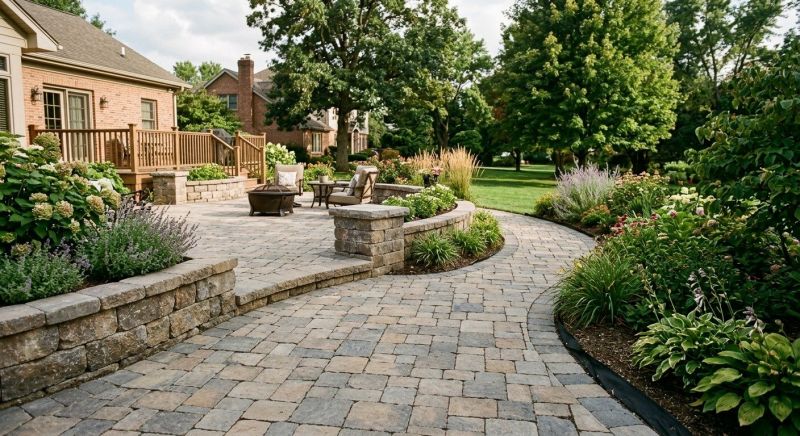
Residential Hardscaping in Boston, MA
Residential hardscaping services encompass the installation and enhancement of durable, attractive features made from materials such as stone, concrete, brick, and pavers. These projects often include patios, walkways, driveways, retaining walls, fire pits, and outdoor seating areas. Property owners typically seek these services to improve outdoor functionality, increase curb appeal, and create inviting spaces for relaxation and entertainment. Before requesting hardscaping work, homeowners should consider the desired purpose of the area, preferred materials, and any existing landscape elements to ensure the new features complement the overall property design.
Understanding the scope of residential hardscaping projects is essential for property owners planning an upgrade to their outdoor spaces. It’s helpful to have a clear idea of the size and layout of the area, budget considerations, and specific features they wish to incorporate. Additionally, homeowners should consider drainage needs, soil stability, and local regulations that might impact project planning. Asking questions about material durability, maintenance requirements, and the overall design process can help ensure the final result aligns with their vision and property needs.
Many property owners in Boston, MA look into Residential Hardscaping for repairs, replacements, upgrades, and appearance-related improvements.
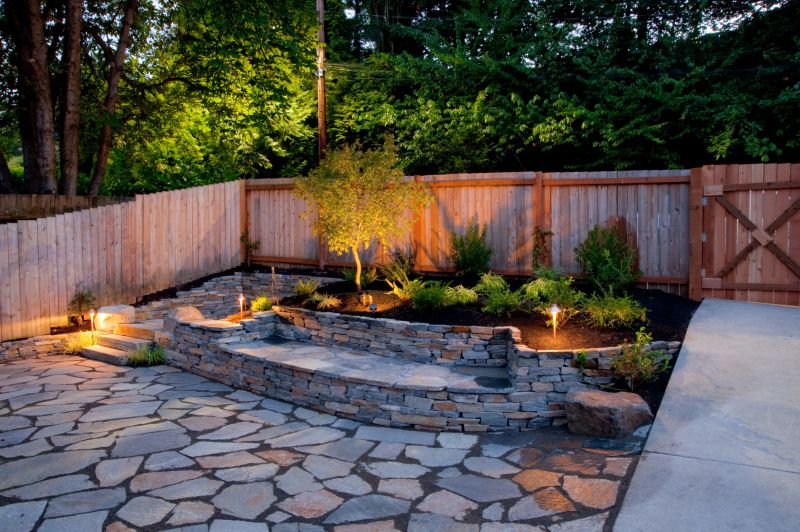
Patio And Walkway Design
Custom patios and walkways enhance both functionality and curb appeal for residential properties.
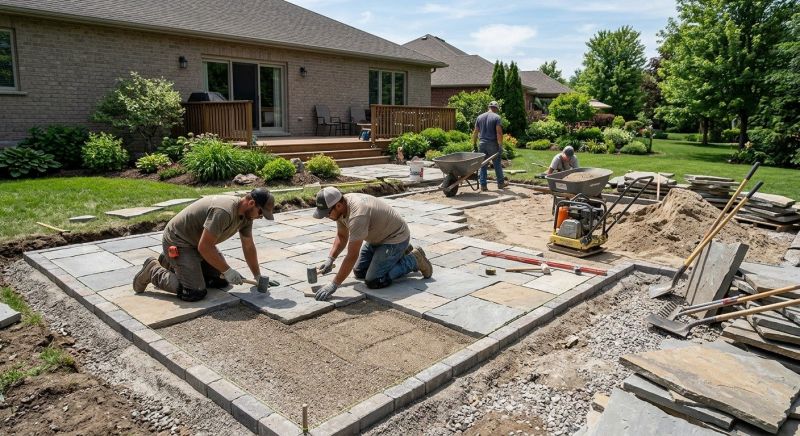
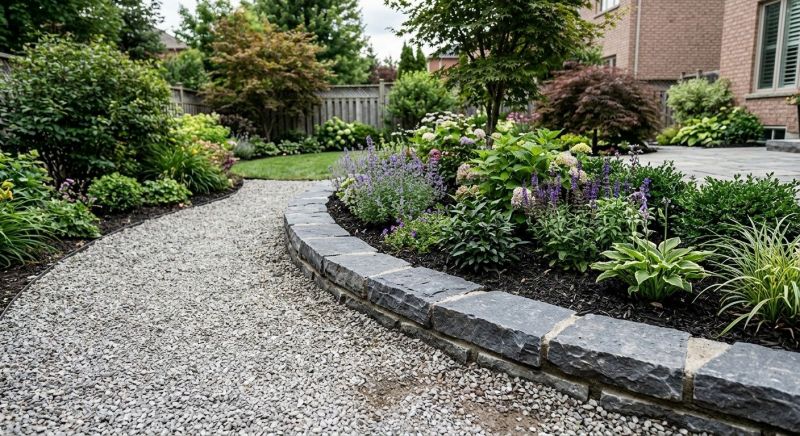
Retaining Walls And Borders
Retaining walls help manage slopes and create defined outdoor spaces around boston homes.
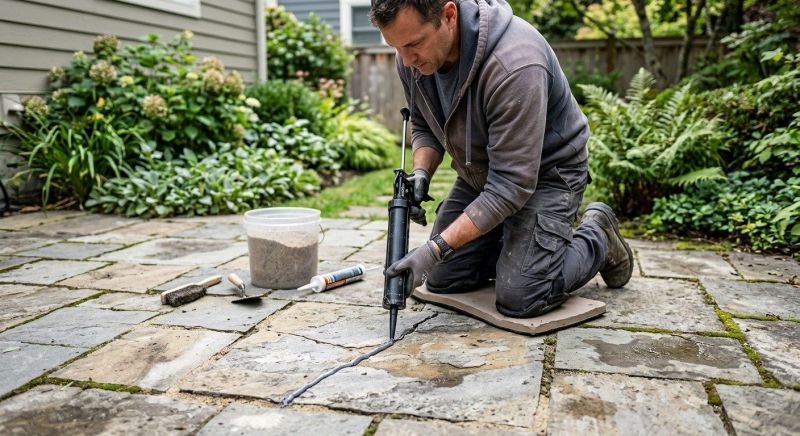
Driveway And Entrance Improvements
Hardscaping solutions can improve driveway durability and create welcoming entryways for residents and visitors.
Residential Hardscaping in Boston, MA
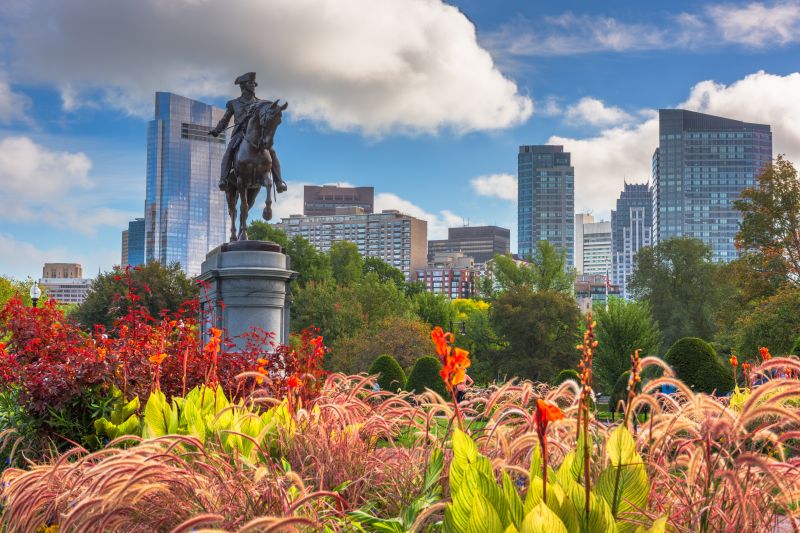
Residential hardscaping services encompass the installation and enhancement of durable, attractive features made from materials such as stone, concrete, brick, and pavers. These projects often include patios, walkways, driveways, retaining walls, fire pits, and outdoor seating areas. Property owners typically seek these services to improve outdoor functionality, increase curb appeal, and create inviting spaces for relaxation and entertainment. Before requesting hardscaping work, homeowners should consider the desired purpose of the area, preferred materials, and any existing landscape elements to ensure the new features complement the overall property design.
Understanding the scope of residential hardscaping projects is essential for property owners planning an upgrade to their outdoor spaces. It’s helpful to have a clear idea of the size and layout of the area, budget considerations, and specific features they wish to incorporate. Additionally, homeowners should consider drainage needs, soil stability, and local regulations that might impact project planning. Asking questions about material durability, maintenance requirements, and the overall design process can help ensure the final result aligns with their vision and property needs.
Many property owners in Boston, MA look into Residential Hardscaping for repairs, replacements, upgrades, and appearance-related improvements.
Common Residential Hardscaping Jobs
Patio Installation - create functional outdoor living spaces for relaxing and entertaining.
Walkway Construction - design durable paths that improve access and curb appeal.
Retaining Walls - build sturdy structures to manage slopes and prevent erosion.
Driveway Paving - install smooth, long-lasting surfaces for vehicle access.
Fire Pits and Outdoor Kitchens - add features that enhance outdoor gatherings and usability.
Stepping Stones and Borders - define garden areas and create visual interest around the property.
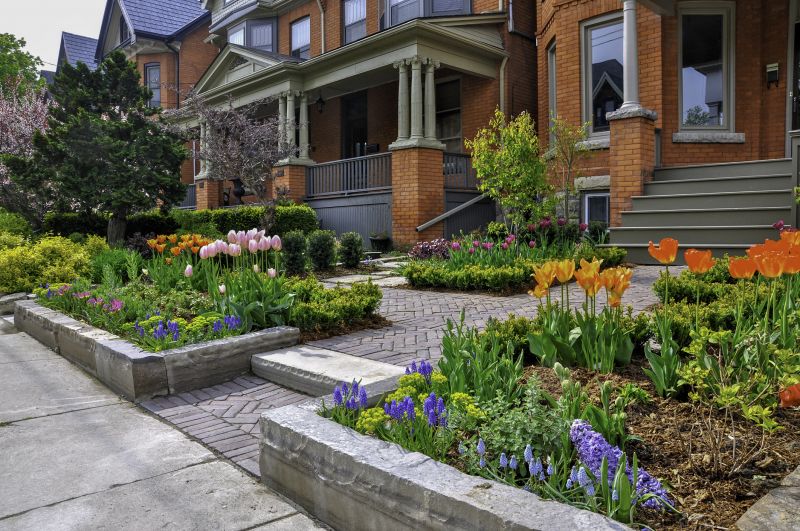
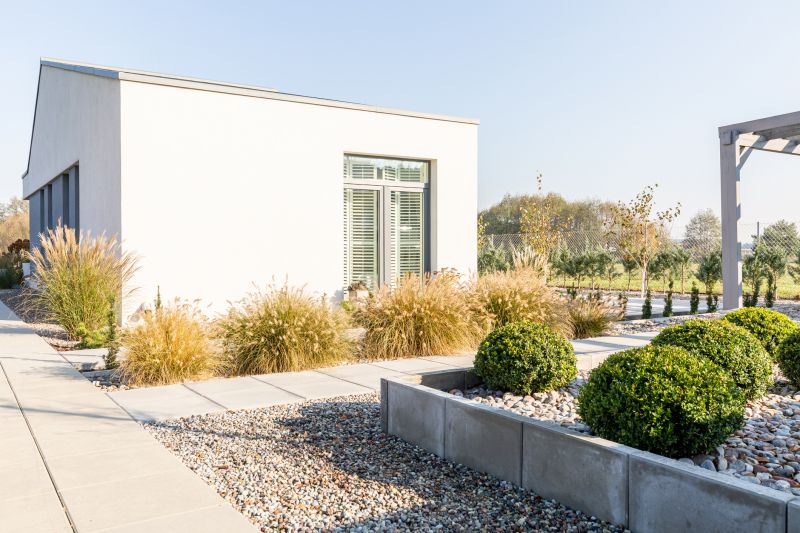
Residential Hardscaping Questions
What types of hardscaping projects are common for residential properties? Common projects include patios, walkways, retaining walls, and driveway enhancements to improve functionality and curb appeal.
How does hardscaping improve a property's outdoor space? Hardscaping adds structure, defines outdoor areas, and creates durable surfaces for activities and aesthetic appeal.
What materials are typically used in residential hardscaping? Popular materials include stone, concrete, brick, and pavers, chosen for durability and style.
Is hardscaping suitable for small or large yards? Hardscaping can enhance both small and large yards by optimizing space and adding visual interest.
Request Residential Hardscaping in Boston, MA
Use the quote form on this page to share the basics of your project and request more information for the type of work you need.